
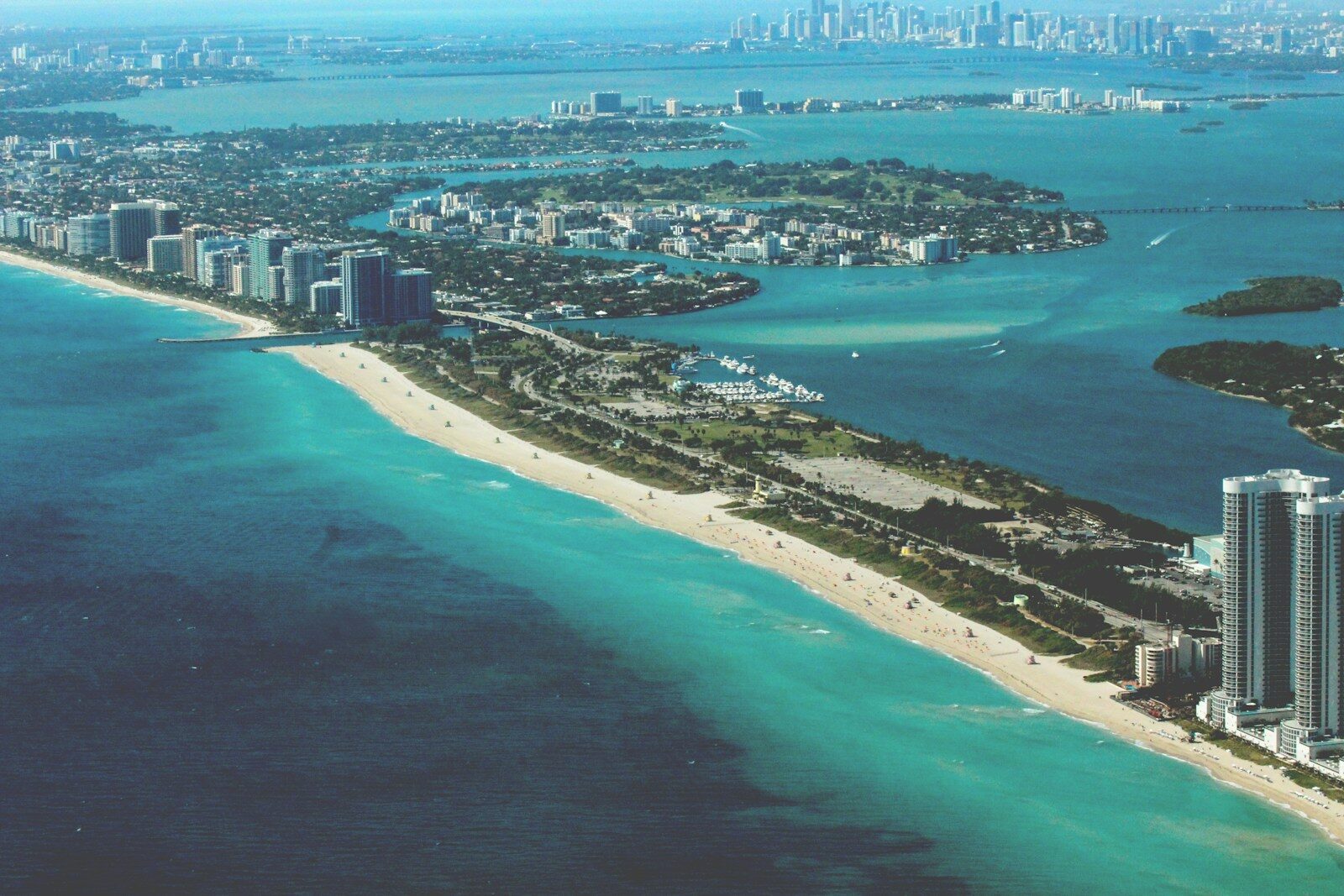
Moving to Miami puts you in one of the most energetic, culturally layered cities in the country — a place where South American business culture, Caribbean community, and global finance collide in a city built on water. It’s vibrant, fast-moving, and nothing like anywhere else in the U.S. It also has real challenges you need to know about before you sign a lease.
Here’s the practical guide that Miami transplants wish they’d had.
Why People Move to Miami
The reasons are consistent: no state income tax, warm weather year-round, a growing tech and finance scene drawing people from New York and San Francisco, a genuine Latin American cultural richness unlike anything on the East Coast, and — for those with international ties — the most connected city to Latin America and the Caribbean in the hemisphere.
Miami has changed significantly in the last five years. Remote work migration during the pandemic brought a wave of tech workers and startups. Financial firms relocated. Real estate prices reflected it. Moving to Miami now means landing in a city mid-transformation, with energy that’s palpable but rents that have risen significantly.
12 Essential Things to Know Before Moving to Miami
1. No State Income Tax — But Other Costs Are High
Florida has no state income tax, which is the single most cited reason people cite for moving to Miami from New York or California. The math can work out very well if your income is high enough that the tax savings offset Miami’s above-average cost of living.
Housing and insurance are expensive. Property insurance has become a serious issue — flooding risk and hurricane exposure have caused insurers to exit the market, driving premiums up for both homeowners and renters. Make sure renters insurance is in your budget before you sign.
2. The Heat Is Real
Miami’s climate is subtropical — hot and humid from May through October, mild and pleasant November through April. The dry season (winter) is what draws snowbirds; the wet season (summer) means daily afternoon thunderstorms, intense humidity, and temperatures that feel much hotter than the thermometer shows.
Moving to Miami in the summer without air conditioning experience is a mistake. Every apartment needs strong AC, and your electricity bill will reflect it — expect $150–$250/month in summer depending on unit size.
3. The Neighborhoods Are Dramatically Different
Miami is not one city — it’s a collection of municipalities and neighborhoods with distinct identities. Brickell is the finance district: high-rises, walkable, expensive, suited for corporate transplants. Wynwood is the arts district: walkable, creative, increasingly expensive. Little Havana is the cultural heart of Cuban Miami: authentic, affordable, vibrant. Coconut Grove is older, tree-canopied, laid-back. Little Haiti is affordable and community-rich. Coral Gables is upscale and suburban.
When you’re moving to Miami, picking the right neighborhood shapes your entire experience.
4. Spanish Is Spoken Everywhere
Miami is genuinely bilingual in a way most U.S. cities aren’t. Spanish is not a second language here — it’s the first language in many neighborhoods. In Little Havana, Hialeah, and Doral, you’ll conduct daily life primarily in Spanish. Even in Brickell and South Beach, bilingualism is standard in customer service.
If you speak Spanish, this feels immediately welcoming. If you don’t, learning basics is genuinely useful and appreciated.
5. Traffic Is Notoriously Bad
Moving to Miami without a car is possible in Brickell and parts of downtown (the Metrorail and Metromover help), but most of Miami-Dade County is car-dependent. Traffic on I-95 and the Palmetto Expressway during rush hour is genuinely brutal. Budget extra time.
The best neighborhoods for car-free or car-light living: Brickell, Edgewater, Wynwood, and downtown Miami. Everywhere else — plan on driving.
6. Hurricane Preparedness Is Not Optional
Florida takes hurricanes seriously, and you should too. When you’re moving to Miami, your first tasks include: knowing your flood zone (check the Miami-Dade flood zone map), stocking an emergency kit (water for 7 days, non-perishable food, medications, flashlights, batteries), understanding your building’s hurricane shutters or impact windows, and having a plan for evacuation.
Hurricane season runs June 1 through November 30. Most years are uneventful. Some aren’t.
7. Renters Insurance Is Essential Here
Unlike many cities where renters insurance is optional, in Miami it’s close to mandatory in practice. Flooding, hurricane damage, and theft are real risks. A basic policy runs $15–$30/month. Get one before you move in, not after.
8. Start Your Apartment Search 60–90 Days Early
Miami’s rental market moves quickly, particularly for well-located apartments under $2,500/month. Prices have risen sharply since 2021, and competition for quality units is real.
ReadyPad offers no-broker-fee apartments in Miami with same-day application approvals and bilingual English/Spanish support — a practical option if you’re relocating on a tight timeline or from out of state.
9. The Food Scene Is Exceptional
Moving to Miami means gaining access to one of the most diverse food scenes in the U.S. Cuban food (the real thing) is everywhere — Versailles in Little Havana is the institution, but the best spots are the neighborhood places that don’t show up on food blogs. Haitian food in Little Haiti is genuinely excellent. The Peruvian and Venezuelan restaurant scenes are strong. South Beach has the tourist trap spots but also serious fine dining.
The city’s food festivals (Food Network South Beach Wine & Food Festival, Calle Ocho Festival) are worth attending once you’re settled.
10. The Beach Access Is One of the Best Things Here
Miami Beach, Virginia Key, Haulover Beach, and Bill Baggs Cape Florida State Park all offer excellent beach access. South Beach gets all the attention, but the northern Miami Beach neighborhoods (Mid-Beach, Surfside, Bal Harbour) have the same ocean and far less crowd.
Moving to Miami and not using the beaches regularly is, genuinely, doing it wrong.
11. The Arts Scene Is Underrated
Most people think of clubs when they think of Miami nightlife. What they miss is that Miami has a serious arts and cultural scene — Pérez Art Museum Miami (PAMM), the Adrienne Arsht Center for the Performing Arts, Art Basel Miami Beach (December), the Rubell Museum, and a Wynwood gallery circuit that’s grown into a genuine destination for international collectors.
If you like design, architecture, or contemporary art, Miami rewards exploration.
12. Set Up Your Accounts Before the Move
Florida Power & Light (FPL) handles electricity in Miami-Dade. Set up your account before move-in. For internet, AT&T Fiber and Comcast Xfinity are the main providers. Water is through Miami-Dade Water and Sewer or your municipality. Most apartments include water; electricity is almost always separate.
Register your vehicle with the Florida DHSMV within 10 days of establishing residency. Get a Florida driver’s license within 30 days.
Miami Neighborhoods at a Glance
| Neighborhood | Avg 1BR Rent | Vibe | Best For |
|---|---|---|---|
| Brickell | $2,500–$3,500 | Finance district, walkable | Corporate transplants |
| Wynwood | $2,200–$3,000 | Arts, creative, trendy | Young creatives |
| Little Havana | $1,600–$2,200 | Cultural, authentic, bilingual | Budget-conscious renters |
| Coconut Grove | $2,000–$3,000 | Tree-canopied, laid-back | Professionals, families |
| Edgewater | $2,200–$2,800 | Bay views, growing | Young professionals |
| Coral Gables | $2,000–$3,000 | Upscale, suburban | Families, established professionals |
| Little Haiti | $1,400–$2,000 | Affordable, community | Budget renters |
What the First Month Looks Like
Expect a few weeks of adjustment. The heat, the traffic, and the social pace of Miami are distinct. Give yourself time to find your neighborhood’s rhythm — the coffee shop you’ll go to every morning, the grocery store that makes sense for you, the beach spot that doesn’t feel like a tourist destination.
Moving to Miami rewards the people who explore beyond the obvious neighborhoods. Some of the best places to live here are places you’ve probably never heard of.
For more on renting in Miami, see our ultimate guide to renting in Miami. If you’re comparing coastal cities, San Diego vs Miami living breaks down the real differences, and our first time renter guide covers the full rental process from application to move-in.
Further Reading
For housing market data in Miami, Zillow’s Miami rental listings give you current pricing across neighborhoods, and Redfin’s Miami housing market data tracks rent trends and affordability metrics that are useful for planning your budget before you arrive.